Not on this list
Most of what we quote starts as a problem nobody has converted before.

Independent converter of laminated paperboard
We engineer laminated paperboard components that live inside other companies' products. The stiffener in a sun visor. The deck under a palletised load. The sheathing behind a brick wall.
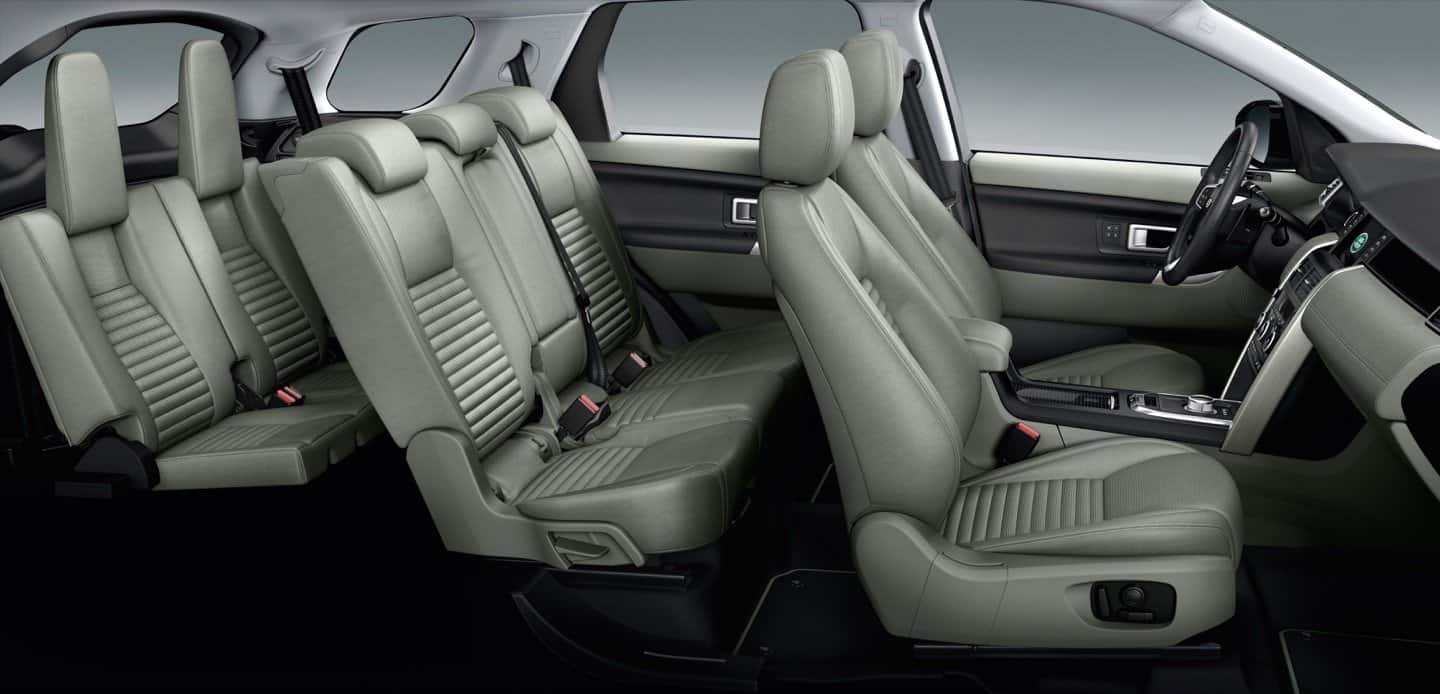
 What the buyer sees
What we make
What the buyer sees
What we make
Specified by










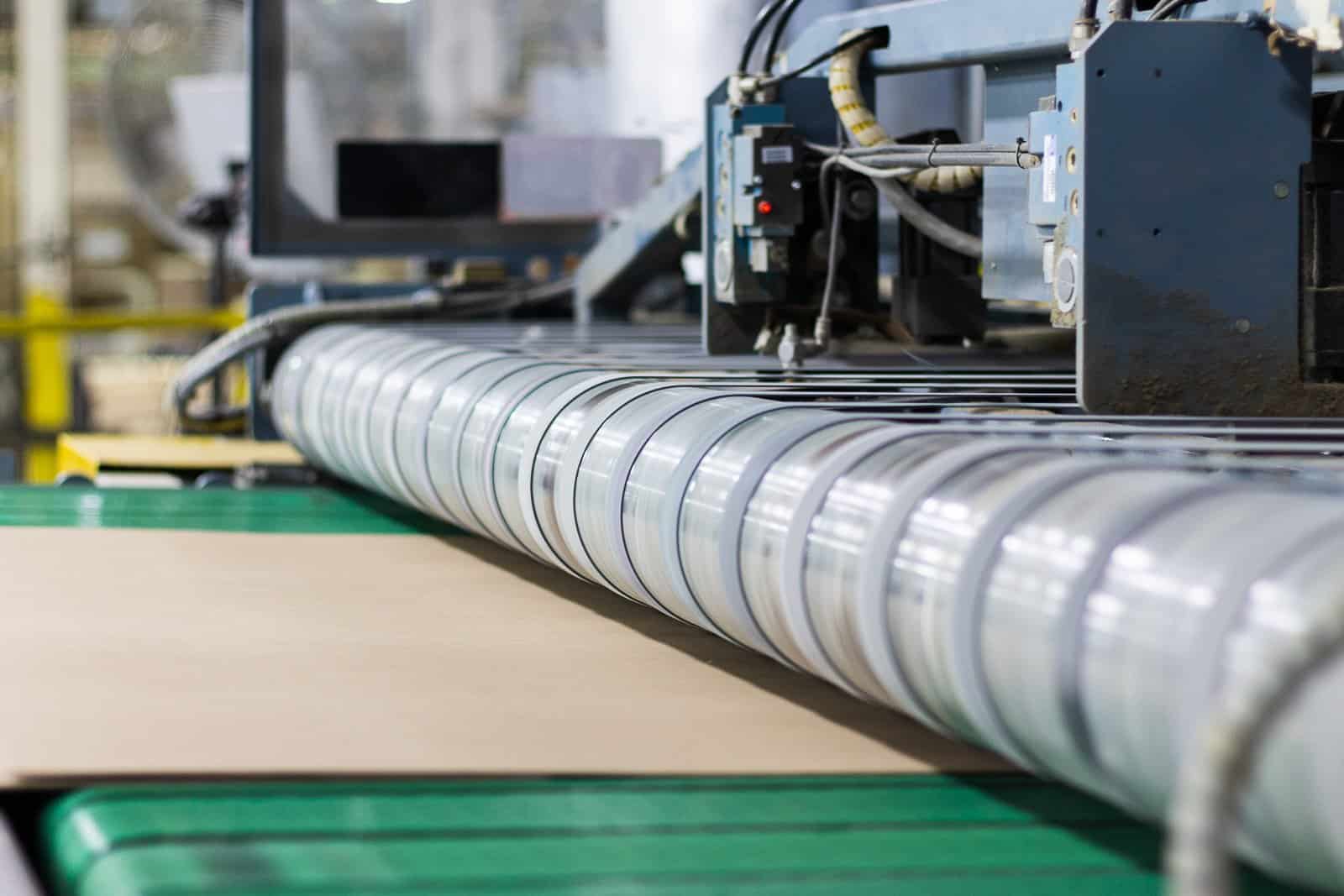
The process
Most converted paperboard parts pass through three companies before they reach an assembly line: a coater, a laminator, a die cutter. Every handoff is a lead time, a freight cost and a place for the specification to drift.
All five stages below run in one plant. When a tolerance moves, one company changes it.
Kraft, recycled chipboard, clay coated and water resistant grades, selected against your load case rather than our inventory.
In houseMolten polyethylene laid onto the web. A clean moisture barrier that sits concealed below the surface instead of an asphalt saturant.
In houseUp to five plies bonded into one solid board. No flute and no void, so stiffness is uniform across the sheet.
In houseTwo colour printing on the laminating line, so a branded or coded surface costs no extra pass.
In houseSteel rule dies cut the finished profile off line. Tight nesting keeps scrap down and the cut edge clean enough to sit against a trim surface.
In houseEvery stage above happens in Constantine. Nothing is subcontracted and nothing waits on another vendor's schedule.
Read the capability detail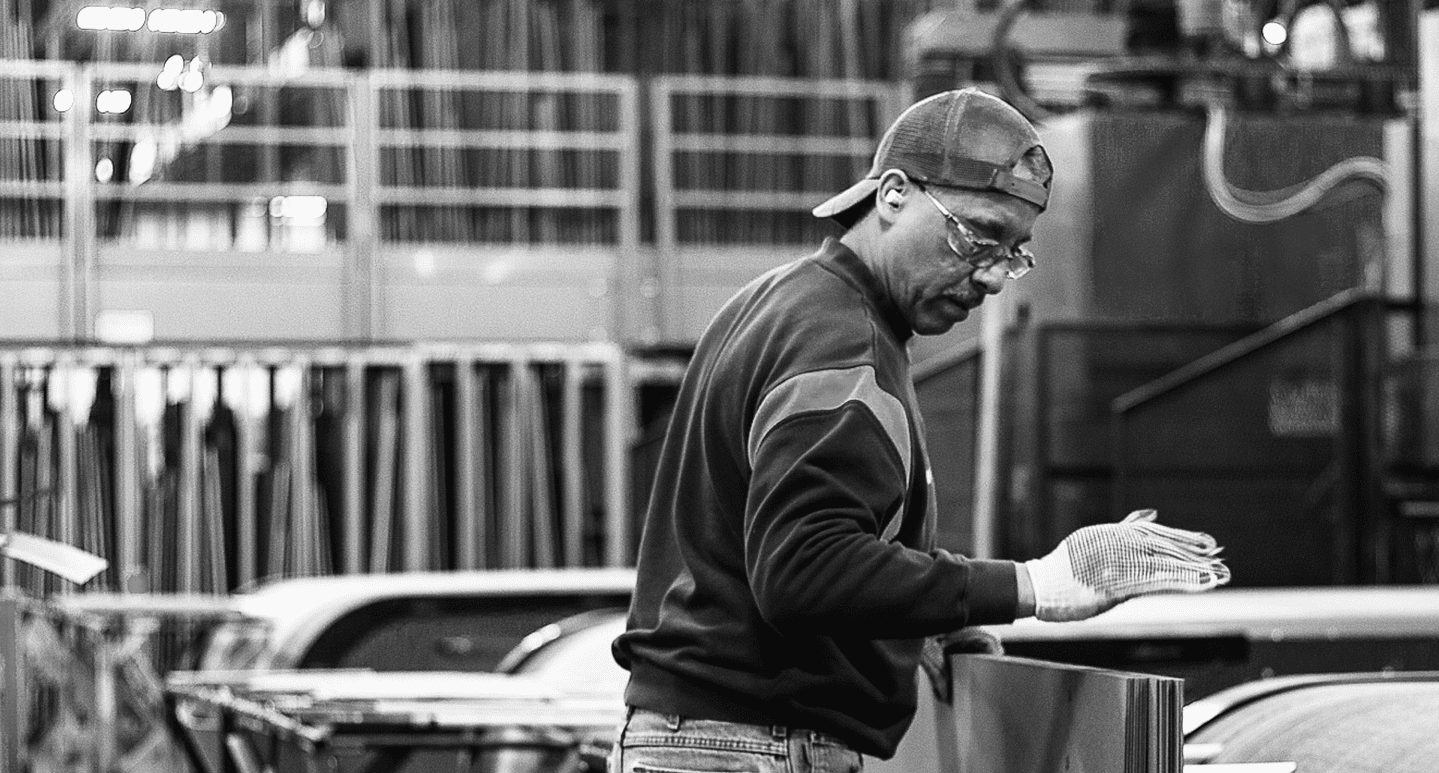
"Most times you can't see what we make, even though you look right at it every day."
Fibre Converters, answering the question we are asked most
Where our parts live
Each one is the assembly a buyer recognises. The cut line opens it to the component underneath.
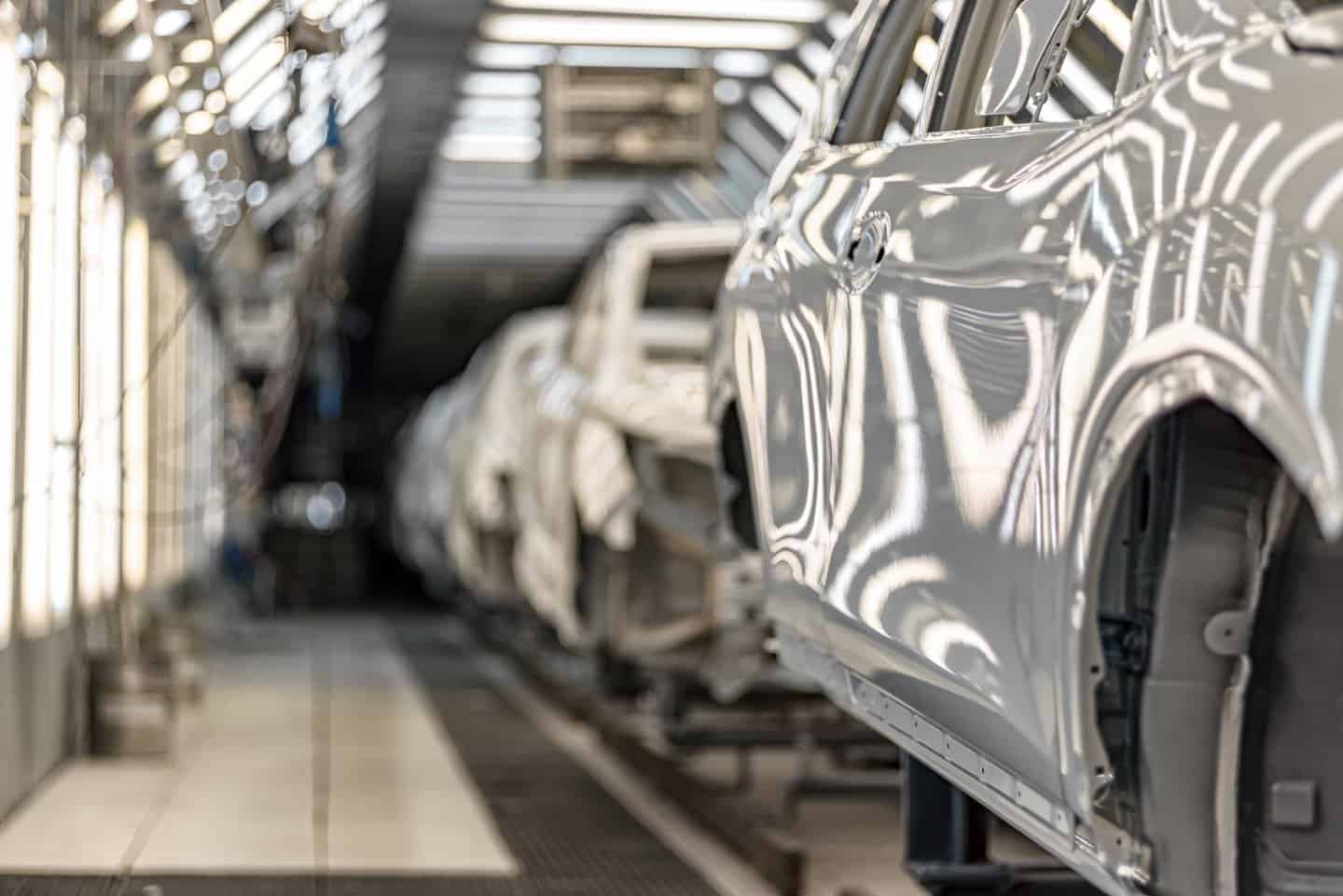
The component
Die cut Valdor board stiffens sun visors, door panels, package trays and map pockets. Non staining, flame resistant, with a concealed poly barrier.
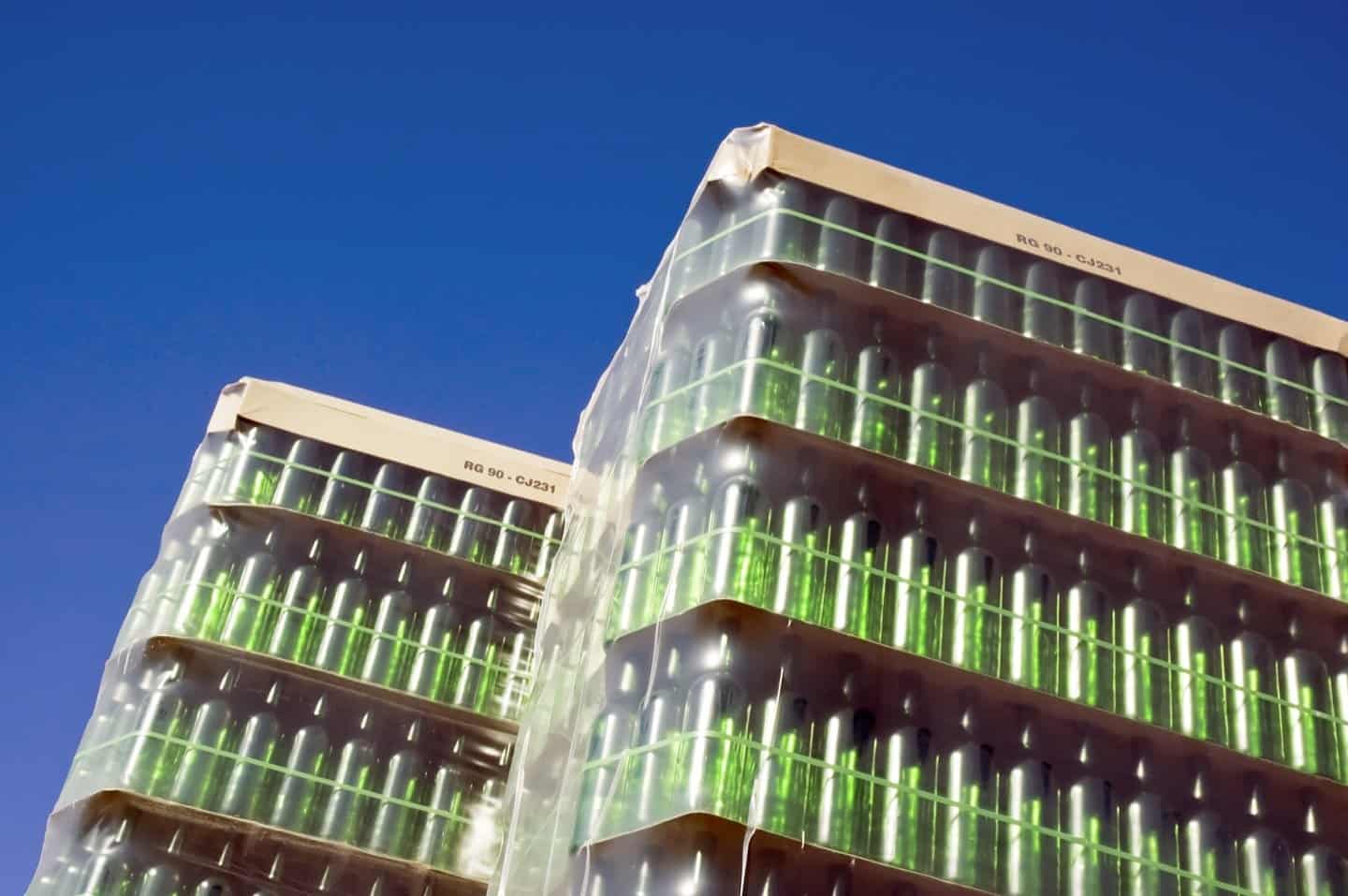
The component
Tier sheets, slip sheets and protective inserts laminated from recycled or virgin kraft. Certified under BRCGS for food contact work.
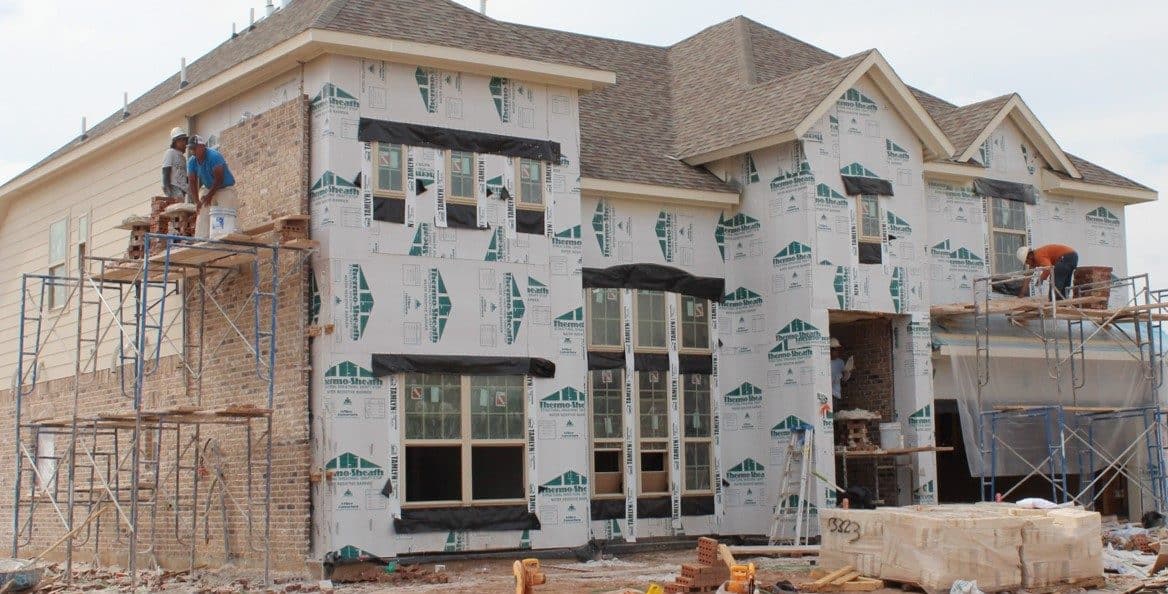
The component
Structural sheathing that meets or exceeds building code, pairs with foam board for a water resistive barrier, and seals without house wrap.

The component
Wall substrate up to eight feet wide that takes a bend without cracking and offers a glueable surface. A domestic replacement for Lauan.
The component
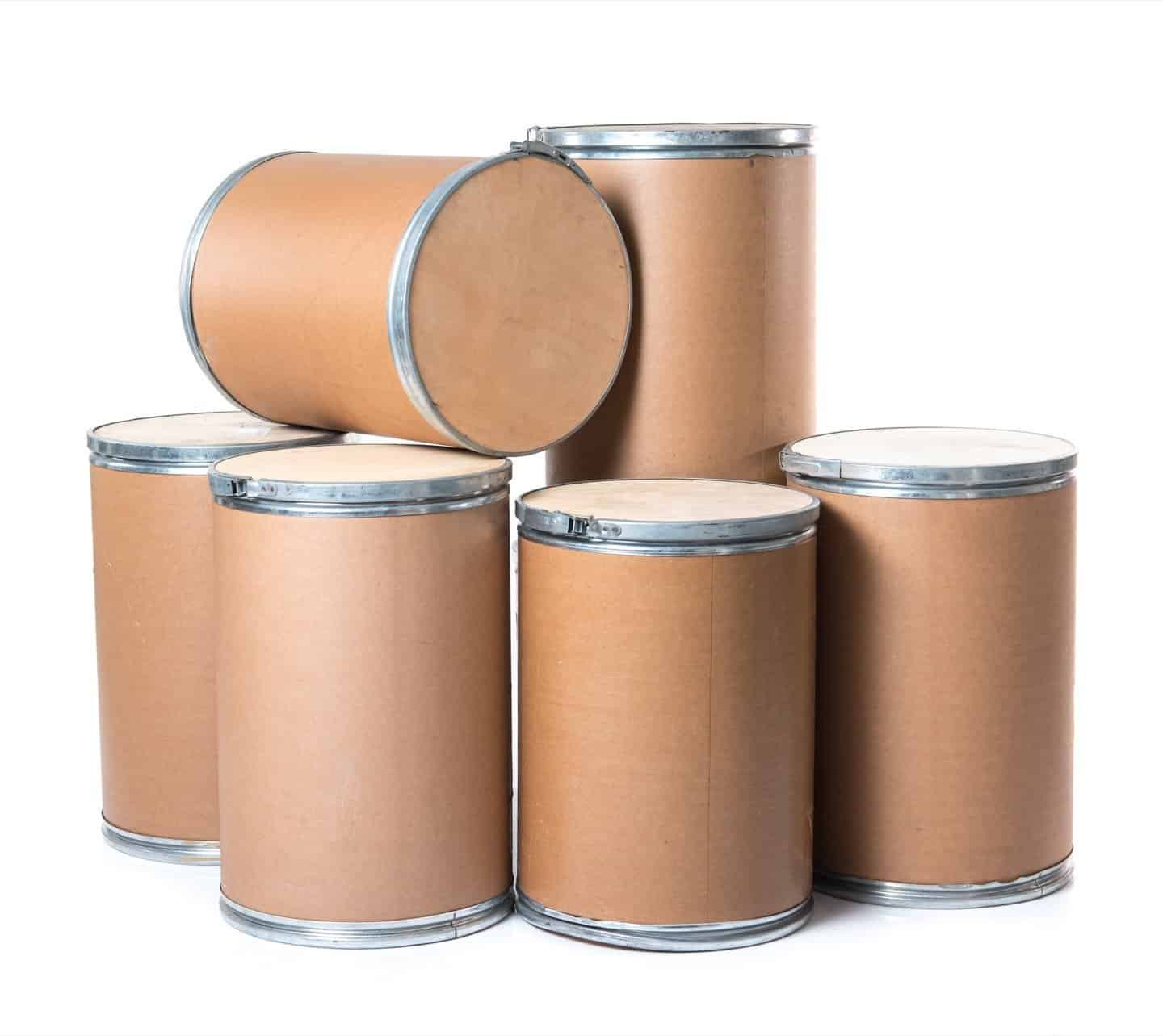
Circular tops and bottoms die cut from laminated board for drums carrying chemicals, pharmaceutical intermediates, glue, paint and food product.
The component
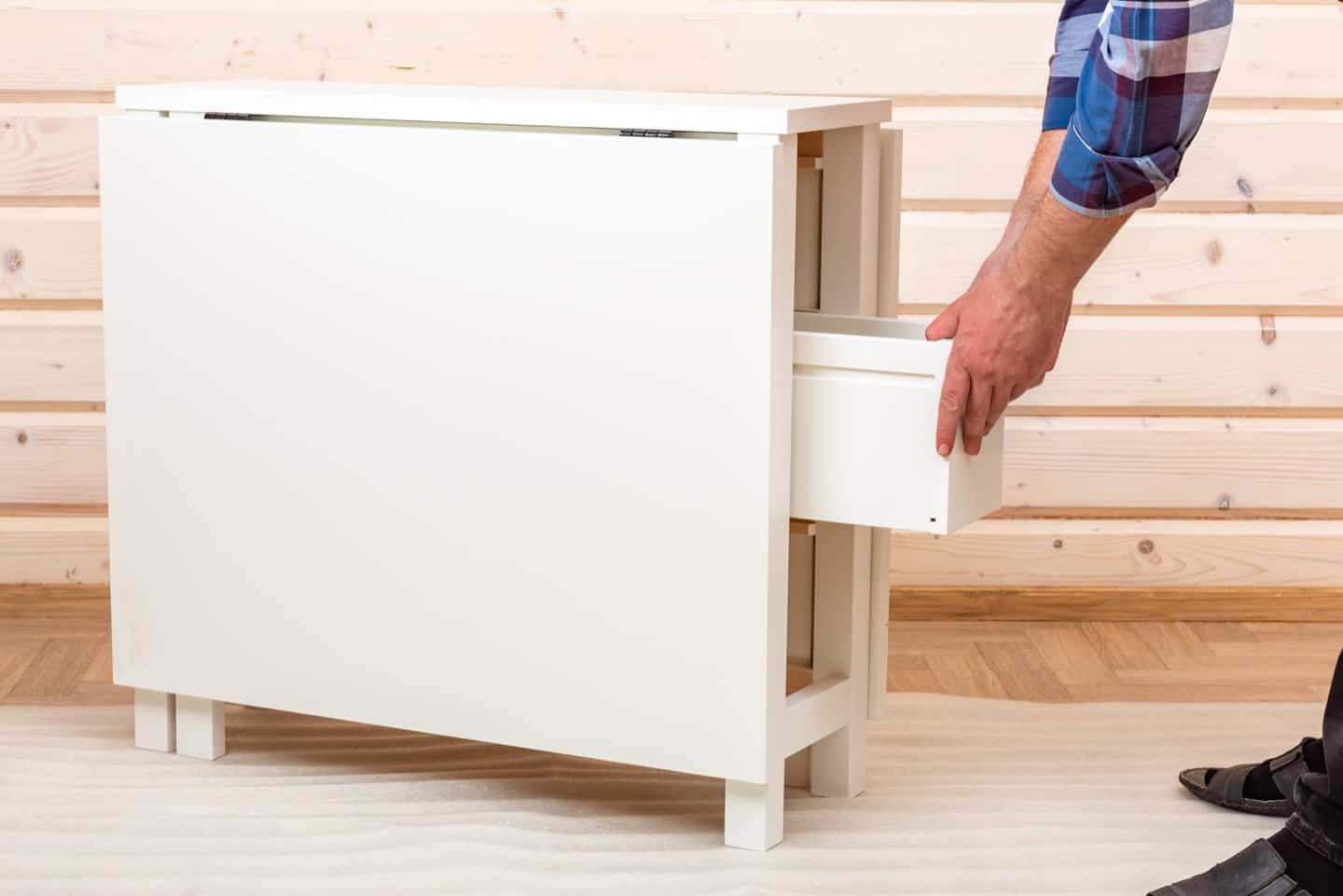
Drawer bottoms and back panels that hold a carcass square, die cut clean and consistent, in almost any configuration or printed colour combination.

The component
Poly coated die cut board that holds strength and shape after days on a range in weather. Tested for water resistance and built to MIL-T-13560.
Not on this list
Most of what we quote starts as a problem nobody has converted before.
Materials
We are an independent laminator, so the substrate is chosen for your load case instead of drawn from what we happen to stock.
| Recycled paperboard | Water resistant or plain chip, used for packaging inserts, notebook backing, product stiffening and decorative furniture panels. Laminated up to five plies. |
|---|---|
| Kraft | Heavyweight paper and board from a chemical pulping process. Higher elasticity and tear resistance than boards made by other pulping routes. |
| Clay coated kraft and SBS | Kraft board with a clay coated extra strength backing where the job needs kraft strength plus a printable face. Solid bleached sulfate for high end printing on white. |
| Coated water resistant | Board coated to retard or prevent water soaking in, specified where the part sits in weather or against a moisture load. |
| Recycled content | Much of what we convert is recycled, and internal die cutting waste, wood flour and plastic resin are returned to the materials stream rather than landfilled. |
Certification and compliance
BRCGS Issue 6
Packaging Materials, covering food contact work.
MIL-T-13560
Military specification met on targetry board.
Engineering TERs
Technical evaluation reports available for sheathing.
Before you call
No. Tell us how the board sits in your product and what it has to survive, including strength and water resistance. Our design department works back to the right material and shape.
Most people say cardboard when they mean corrugated. Solid fibreboard is laminated paper with no fluting, which gives higher strength and water resistant properties.
Yes. The packaging line is certified under the BRC Global Standard for Packaging and Packaging Materials, currently BRCGS Packaging Materials Issue 6.
Start here
You do not have to arrive knowing the grade, the caliper or the ply count. Tell us how the paperboard sits in your product and what it has to survive: the load, the environment, the geometry, the surface it touches. Our design department specifies the material and the shape.